Frequently Asked Questions
What are the most effective ways to maintain pool water chemistry during the hot Arizona summer?
The most effective ways to maintain pool water chemistry during the hot Arizona summer include testing levels twice weekly, increasing chlorine stabilizer, running your pump longer to improve circulation, and monitoring pH levels to prevent rapid algae growth.
How often should I clean my pool filter to ensure optimal performance?
The frequency of cleaning your pool filter to ensure optimal performance depends on your filter type, but generally, you should clean it every 3 to 6 months or whenever the pressure gauge reads 8–10 psi above the baseline.
What specific steps should I take to prevent algae growth in my pool during peak temperatures?
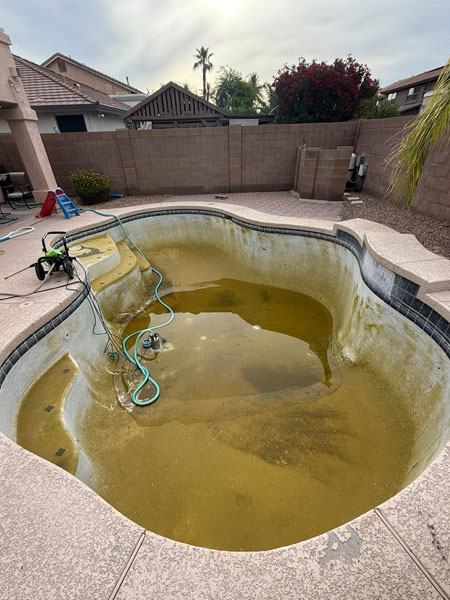
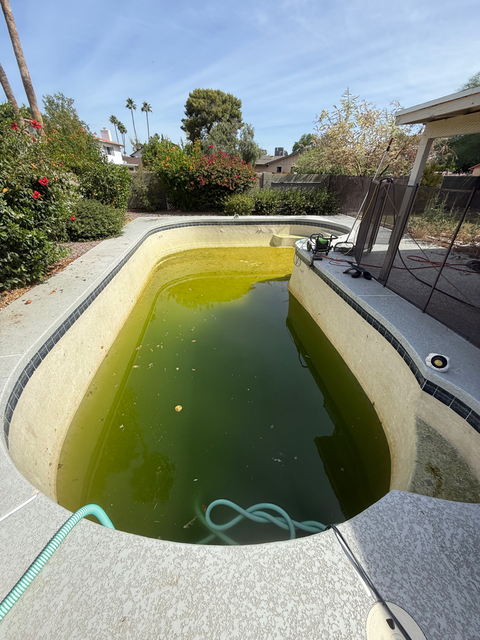
To prevent algae growth during Arizona’s peak temperatures, maintain proper chlorine levels, run your filtration system daily, brush pool surfaces weekly, and regularly test your water chemistry to ensure a balanced pH, which inhibits algae development.
How can I troubleshoot common pump issues that occur in desert climates?
Troubleshooting common desert pool pump issues involves checking for debris-clogged baskets, ensuring proper water levels to prevent overheating, and inspecting seals for leaks caused by intense heat. If problems persist, contact Pelican Pools for expert professional assistance.
What are some essential maintenance tasks for preserving pool equipment throughout the year?
Essential maintenance tasks for preserving pool equipment include regularly cleaning skimmer baskets, monitoring chemical levels, inspecting pump seals for leaks, and backwashing filters. These consistent practices ensure your system runs efficiently despite Arizona’s intense heat and harsh climate.
How does the intense Arizona heat impact pool water evaporation and chemical balance?
The intense Arizona heat accelerates water evaporation, which concentrates minerals and destabilizes chemical levels. This rapid change requires more frequent testing and precise adjustments to maintain safe, balanced water and prevent algae growth in your pool.
What should I look for when inspecting my pool for necessary repairs or upgrades?
When inspecting your pool for repairs or upgrades, look for cracks in the plaster, leaks in equipment, worn pump seals, inconsistent water chemistry, or outdated, energy-inefficient systems that may struggle with Arizona’s intense heat.
How do I balance water chemistry in summer?
Balancing water chemistry in Arizona’s summer requires testing your pool twice weekly. Maintain pH between 7.4 and 7.6, keep chlorine levels consistent, and use stabilizers to prevent sun-induced chemical loss, ensuring your water remains safe and clear.
How often should I clean my pool filter?
The frequency for cleaning your pool filter depends on your system type, but generally, you should clean it every 3 to 6 months or when the pressure gauge rises 8–10 psi above your pool's clean, baseline operating pressure.
What stops algae growth during intense heat?
The primary factors that stop algae growth during intense Arizona heat are maintaining consistent chlorine levels, proper pH balance, regular filtration, and weekly professional brushing to prevent spores from taking root in your pool's surface.
How can I fix common pump issues quickly?
Quick fixes for common pool pump issues include clearing debris from the skimmer basket, checking for air leaks in the lid O-ring, and ensuring the water level is high enough to prevent the pump from running dry.
What maintenance preserves pool equipment year round?
The maintenance required to preserve pool equipment year-round includes consistent chemical balancing, regular filter cleaning, monitoring water levels, and scheduling professional inspections to prevent overheating and corrosion caused by the intense Arizona climate.
How does desert heat affect water evaporation rates?
The impact of desert heat on water evaporation rates is significant, as high temperatures and low humidity in Arizona accelerate moisture loss. This causes pool water levels to drop rapidly, requiring consistent monitoring and regular refilling to maintain levels.
How can I identify needed pool system repairs?
Identifying needed pool system repairs involves monitoring for unusual noises, water leaks, cloudy water, or decreased circulation. If you notice these signs or inconsistent pressure, contact Pelican Pools to ensure your Gilbert pool remains in optimal condition.
What are the best ways to prevent scale?
The best ways to prevent scale in your Gilbert pool include maintaining balanced pH and alkalinity levels, regularly using a high-quality sequestering agent, and ensuring your calcium hardness levels remain within the recommended range to avoid mineral buildup.
How do I maintain pool tiles in Arizona?
Maintaining pool tiles in Arizona requires regular brushing to prevent calcium buildup caused by the intense heat. Use a mild, pool-safe descaling solution periodically to remove stubborn mineral deposits and keep your tiles looking pristine year-round.
Which pool upgrades save energy in dry climates?
Pool upgrades that save energy in dry climates include installing variable-speed pumps, LED lighting, and high-efficiency heaters. These upgrades significantly reduce electricity consumption and operating costs, helping Arizona homeowners maintain their pools efficiently despite the intense desert heat.
How often should I shock my desert pool?
The frequency for shocking your desert pool is typically once a week. Due to Arizona's intense heat and high evaporation rates, regular shocking is essential to eliminate contaminants and maintain clear, healthy water throughout the summer season.
What indicates a failing pool motor in heat?
Signs of a failing pool motor in extreme heat include unusual grinding or humming noises, frequent overheating shutdowns, a burning smell, or a noticeable decrease in water circulation pressure, indicating the motor is struggling to function under thermal stress.
Are professional services better for desert pools?
Professional services are better for desert pools because Arizona’s extreme heat accelerates chemical imbalances and equipment wear. Pelican Pools provides the expertise needed to manage these harsh conditions, ensuring your pool remains safe, clean, and properly maintained.
How can I protect pool deck surfaces yearly?
Protecting pool deck surfaces yearly involves deep cleaning, repairing cracks, and applying a high-quality UV-resistant sealant. In Arizona’s intense heat, regular sealing prevents sun damage, moisture penetration, and surface erosion, keeping your deck durable and aesthetically pleasing.
Does sunlight intensity affect pool chlorine levels?
Sunlight intensity significantly affects pool chlorine levels because ultraviolet rays rapidly break down free chlorine. In Arizona’s harsh climate, this accelerated evaporation requires consistent monitoring and the use of stabilizers to maintain effective sanitation levels for your pool.
What is the best way to clean skimmers?
The best way to clean skimmers is to regularly remove the basket, empty debris, and rinse it with a hose. This essential maintenance prevents clogs, improves water circulation, and keeps your pool pristine in Arizona’s harsh climate.
How do I winterize pools in the desert?
Winterizing pools in the desert involves adjusting maintenance rather than closing them. Keep your pump running to prevent freezing, balance water chemistry, and clean filters regularly to ensure your pool remains in optimal condition throughout the cooler months.
Can heat damage my automatic pool cover?
Heat can indeed damage your automatic pool cover. In Arizona’s extreme climate, intense UV exposure and high temperatures can cause the material to warp, crack, or degrade prematurely, necessitating regular maintenance and potential repairs by Pelican Pools.
What signs show I need pool water replacement?
The signs that indicate you need pool water replacement include high Total Dissolved Solids (TDS), persistent chemical imbalances, cloudy water that won't clear, or excessive cyanuric acid levels that make your sanitizers ineffective against Arizona’s intense summer heat.
How do I optimize pool circulation during summer?
Optimizing pool circulation during the hot Arizona summer involves running your pump for at least 8–12 hours daily, regularly cleaning skimmer baskets, and adjusting return jets to ensure water movement prevents algae growth and maintains chemical balance.
What are the signs of pool leak damage?
The signs of pool leak damage include unexplained drops in water levels, soggy patches in your yard, cracks in the pool structure, or shifting tiles. If you notice these issues, contact Pelican Pools for a professional inspection immediately.
How can I improve pool water clarity fast?
Improving pool water clarity fast involves balancing your pH and alkalinity levels, shocking the water to eliminate contaminants, and running your filtration system continuously for 24 hours to clear out remaining debris and restore sparkling, clean water.
Why is professional maintenance essential for pools?
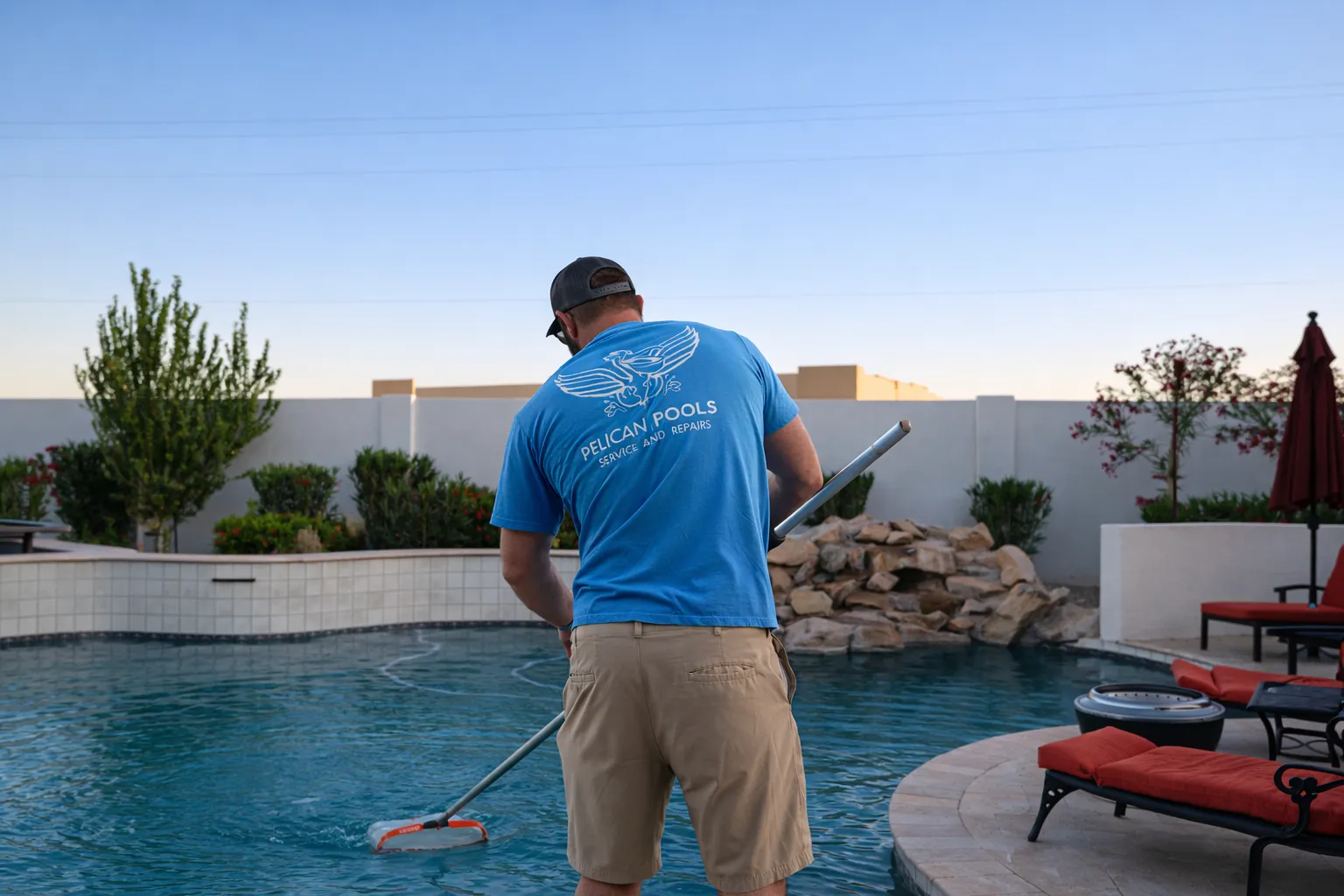
Professional maintenance is essential for pools because it ensures proper chemical balance, protects expensive equipment from Arizona’s harsh heat, and prevents costly repairs, keeping your pool safe, clean, and swim-ready throughout the entire year.