Frequently Asked Questions
How can I effectively clean a green pool?
Effectively cleaning a green pool involves several steps: first, shock the water with a chlorine treatment to kill algae, then brush the walls and floor to dislodge debris, and finally, vacuum and filter the pool to restore clarity.
What services do you offer for algae pool cleanup?
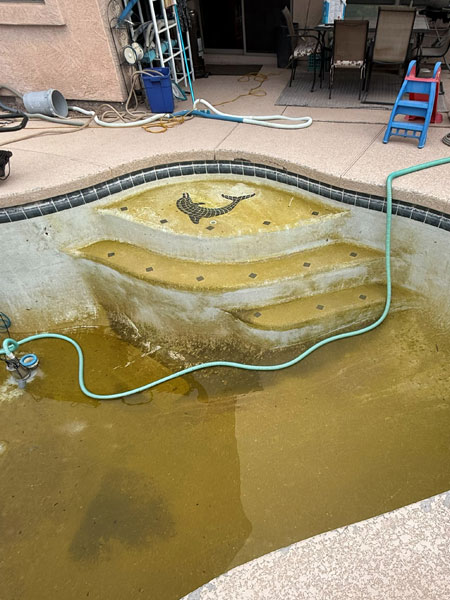
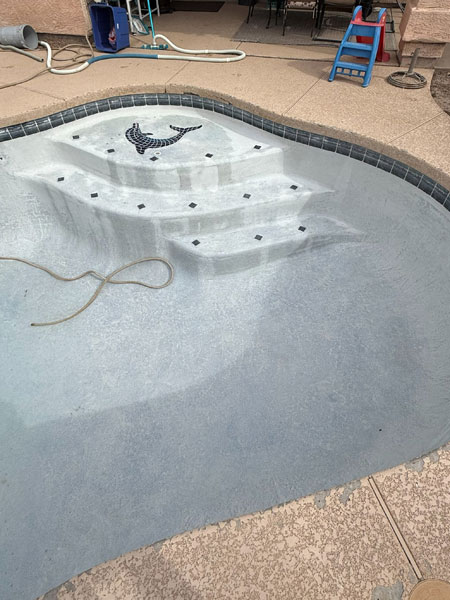
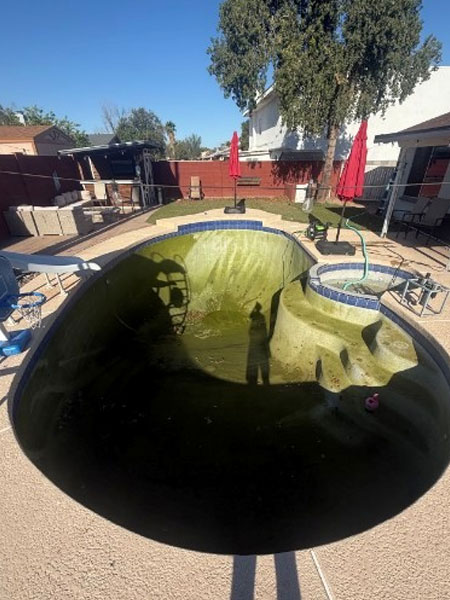
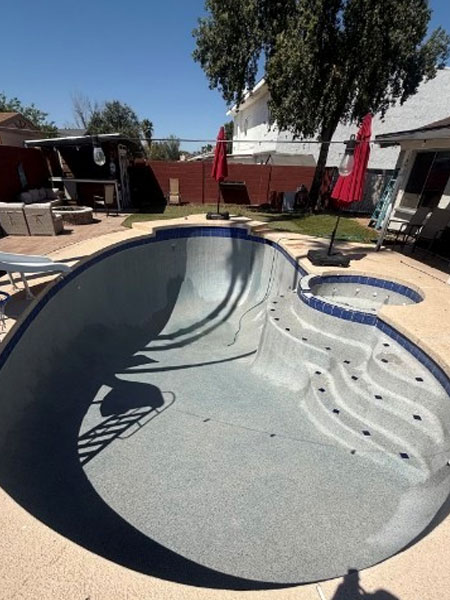
Pelican Pools offers comprehensive algae pool cleanup services, including thorough cleaning, water balancing, and filtration system checks to effectively eliminate algae and restore your pool's clarity and safety.
What are the common causes of a green pool?
The common causes of a green pool include inadequate filtration, poor water balance, and the presence of algae due to insufficient sanitization or circulation. These factors contribute to the pool's clarity and safety issues.
What steps are involved in green pool cleaning?
The steps involved in green pool cleaning include testing and balancing water chemistry, removing debris, vacuuming the pool, treating with algaecide, and ensuring proper filtration to restore clarity and safety.
How often should I clean my pool?
The frequency of cleaning your pool depends on usage and environmental factors. Generally, it's recommended to clean your pool at least once a week to maintain water clarity and prevent algae growth.
What causes algae growth in pools?
Algae growth in pools is primarily caused by poor water circulation, imbalanced chemical levels, and insufficient sanitation. Warm temperatures and sunlight also contribute, creating ideal conditions for algae to thrive if not properly managed.
Can I clean a green pool myself?
Cleaning a green pool yourself is possible, but it can be challenging and time-consuming. Professional services, like those offered by Pelican Pools, ensure thorough cleaning and address underlying water balance and filtration issues for optimal results.
What chemicals are needed for algae removal?
The chemicals needed for algae removal include chlorine, algaecides, and flocculants. Chlorine helps kill algae, while algaecides specifically target and eliminate various types of algae, and flocculants assist in clearing cloudy water by binding particles together for easier filtration.
How long does green pool cleanup take?
The duration of green pool cleanup can vary, but typically it takes between 24 to 72 hours to restore clarity, depending on the severity of the algae and water balance issues present.
What are the signs of a green pool?
The signs of a green pool include cloudy or murky water, a greenish tint, and visible algae growth on surfaces. Additionally, the water may have an unpleasant odor, indicating imbalanced chemistry and potential health risks.
How to prevent algae in my pool?
Preventing algae in your pool involves maintaining proper water balance, regularly cleaning the pool, and ensuring adequate filtration. Additionally, using algaecides and keeping chlorine levels consistent can significantly reduce the risk of algae growth.
What equipment is best for pool cleaning?
The best equipment for pool cleaning includes automatic pool cleaners, skimmers, and brushes. These tools effectively remove debris, algae, and dirt, ensuring your pool remains clean and safe for swimming.
Are there eco-friendly options for pool cleaning?
Eco-friendly options for pool cleaning are available and include the use of natural enzymes, biodegradable chemicals, and alternative sanitation methods like saltwater systems. These solutions effectively maintain pool cleanliness while minimizing environmental impact.
How does water balance affect pool clarity?
Water balance significantly affects pool clarity by ensuring that pH, alkalinity, and calcium levels are within optimal ranges. Proper balance prevents cloudiness, algae growth, and other water quality issues, resulting in a cleaner, clearer pool.
What is the cost of algae pool cleanup?
The cost of algae pool cleanup varies based on the pool's size and the severity of the algae problem. Typically, prices range from $150 to $300, depending on the specific services required to restore your pool's clarity and safety.
How can I maintain a clean pool?
Maintaining a clean pool involves regular skimming, vacuuming, and checking chemical levels. Ensure proper filtration and circulation, and address any algae or debris promptly to keep your pool clear and safe for swimming.
What are the health risks of green pools?
The health risks of green pools include exposure to harmful bacteria, viruses, and parasites that thrive in stagnant, untreated water, leading to infections, skin irritations, and respiratory issues. Proper cleaning and maintenance are essential for safety.
How to identify water balance issues in pools?
Identifying water balance issues in pools involves checking pH, alkalinity, and calcium hardness levels. Imbalances can lead to cloudy water, scaling, or corrosion, indicating the need for professional assessment and correction to maintain a safe and clear swimming environment.
What is the best time for pool cleaning?
The best time for pool cleaning is typically early morning or late afternoon when temperatures are cooler. This helps ensure optimal cleaning results and minimizes the risk of chemical evaporation.
How can I improve my pools filtration system?
Improving your pool's filtration system involves regularly cleaning or replacing filters, ensuring proper pump operation, and checking for any leaks. Additionally, consider upgrading to a more efficient filtration system if your current one is outdated.
What are the benefits of professional pool cleaning?
The benefits of professional pool cleaning include ensuring a safe and healthy swimming environment, preventing algae growth, and maintaining optimal water balance and filtration. This expertise helps restore pool clarity and prolongs the life of your pool equipment.
How to handle stubborn algae in pools?
Handling stubborn algae in pools requires a thorough approach. First, shock the pool with a high dose of chlorine, then brush the walls and floor to dislodge algae. Finally, ensure proper filtration and water balance to prevent recurrence.
What should I do after cleaning my pool?
After cleaning your pool, you should test the water chemistry, adjust the pH and chlorine levels as needed, and run the filtration system to ensure clarity and safety. Regular maintenance will help keep your pool in top condition.
How can I test my pool water quality?
Testing your pool water quality involves using a pool water testing kit or strips to measure pH, chlorine, alkalinity, and other chemical levels. Regular testing ensures safe swimming conditions and helps maintain proper water balance.
What are common mistakes in pool maintenance?
Common mistakes in pool maintenance include neglecting regular cleaning, failing to balance water chemistry, overlooking filtration system upkeep, and not addressing algae growth promptly. These oversights can lead to cloudy water and costly repairs.
How to choose a pool cleaning service?
Choosing a pool cleaning service involves considering their experience, customer reviews, and the range of services offered. Ensure they specialize in addressing specific issues like green pool cleanup and water balance to guarantee effective care for your pool.
What is the impact of sunlight on algae growth?
The impact of sunlight on algae growth is significant: sunlight provides the energy necessary for algae to thrive, accelerating their reproduction and leading to rapid green pool issues.
How to safely use pool cleaning chemicals?
The safe use of pool cleaning chemicals involves following manufacturer instructions, wearing protective gear, and ensuring proper ventilation. Always store chemicals securely and keep them away from children and pets to prevent accidents.
What are the best practices for pool upkeep?
The best practices for pool upkeep include regular cleaning, maintaining proper water balance, checking filtration systems, and ensuring adequate circulation. Routine maintenance prevents algae growth and keeps your pool safe and inviting.
How can I restore my pools clarity quickly?
Restoring your pool's clarity quickly involves addressing water balance and filtration issues. Consider using a pool shock treatment, running the filter continuously, and ensuring proper chemical levels to effectively eliminate algae and debris. For best results, consult a professional service like Pelican Pools.