
How to Tell Evaporation From a Pool Leak in Arizona
Arizona pools lose water fast. Find out how much drop is normal, how to test it yourself, and when it is time to call a professional leak detector.
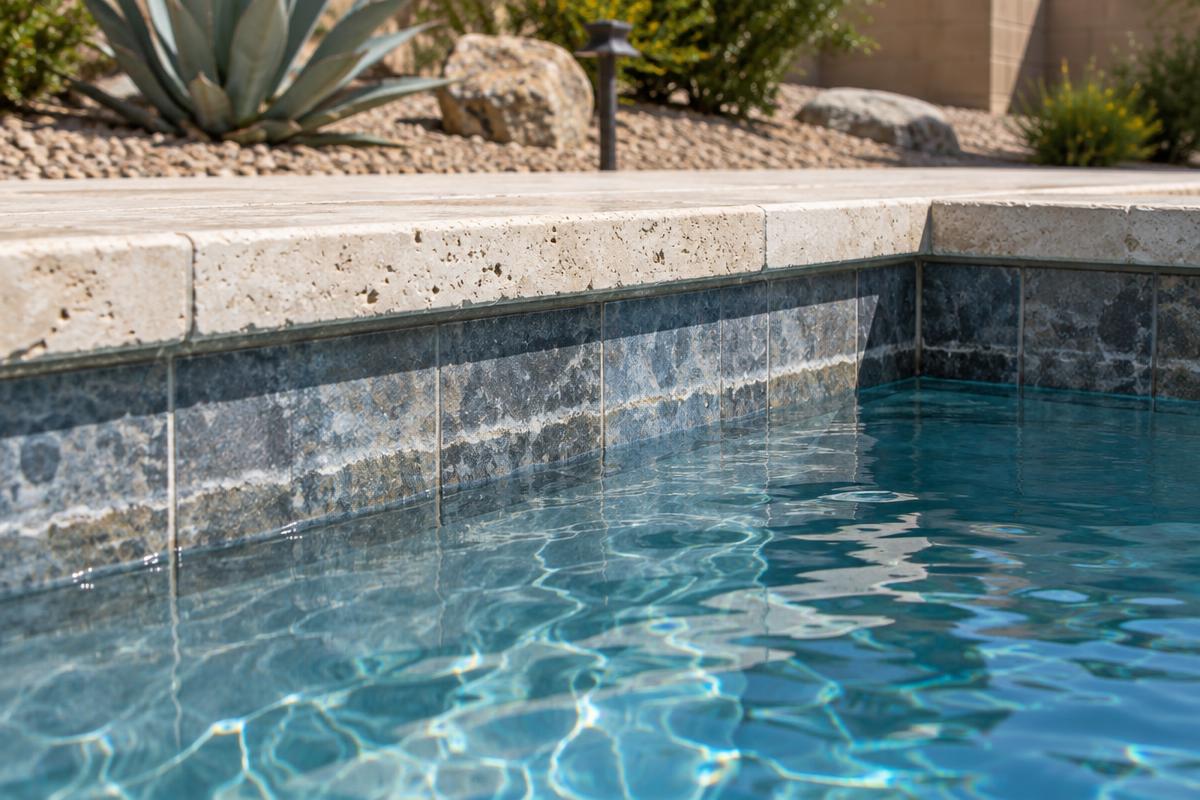
You walk out to the patio and notice the water line is an inch lower than it was a few days ago.
A pool losing water in Gilbert AZ, is a normal sight during the peak heat of summer. High temperatures, dry air, and desert winds pull moisture directly into the atmosphere. But water loss is also the first sign of a cracked pipe or a failing shell.
You need to know the difference. Ignoring a real leak wastes costly fill water and risks undermining the soil beneath your decking.
Do not blindly add water every day without checking the actual loss rate. A simple test confirms whether the sun or a leak is taking your water.
Normal Pool Water Loss in Arizona
The Arizona sun acts like a giant sponge. A standard uncovered pool can lose a quarter inch to a half inch of water per day during the summer. That equals up to two inches a week.
Wind speed, humidity levels, and water features all change this rate. A fountain running constantly exposes more surface area to dry air, driving evaporation higher.
An average Arizona pool easily loses an inch and a half of water every week to pure evaporation during the summer months.
Signs You Have an Actual Pool Leak
Dropping Fast
You lose more than half an inch in 24 hours.
Soggy Yard
Puddles or muddy patches appear in the landscaping away from the pool equipment.
Auto-Fill Runs Constantly
You hear the water line hissing or running non-stop to keep up with the water loss.
Sinking Deck
Concrete pavers or deck slabs shift, crack, or sink because water is washing away the soil underneath.
Air in the System
Bubbles shoot out of the return jets, meaning the pump is pulling air through a suction leak.
Higher Chemical Demand
You add excessive amounts of chlorine and acid because the leaking water takes the balanced chemistry with it.
A leak that drains a quarter inch a day wastes hundreds of gallons a week. This water has to go somewhere, and it often goes under your foundation.
The Bucket Test Explained
The easiest way to separate evaporation from a leak is the bucket test. You compare the water loss in the pool to the water loss in an isolated bucket.
Place a clean, heavy plastic bucket on the second step of your pool.
Fill the bucket with water so it matches the exact level of the pool water outside it.
Mark the water level on the inside of the bucket and the outside of the bucket with tape.
Turn off the auto-fill and wait 24 hours. Check both marks.
What the Bucket Test Tells You
Evaporation affects the bucket and the pool equally. If the pool water drops exactly as much as the bucket water, your loss is strictly evaporation.
If the pool water drops significantly below the mark on the outside of the bucket, you have a leak. The pool is losing water to something other than the sun.
Structural Leaks vs. Plumbing Leaks
Structural Leaks Usually Happen When
- Plaster cracks around the skimmer throat.
- The main drain ring fails to seal properly.
- Underwater light niches crack or lose their water seal.
- Tree roots put pressure on the concrete shell.
Plumbing Leaks Usually Happen When
- PVC pipes crack underground due to soil settlement.
- The pump shaft seal wears out and drips constantly.
- Filter valves wear out and send water to the backwash line.
- Suction lines pull air and lose prime when the pump shuts off.
The Leak You Can See
Not all leaks are hidden underground. The equipment pad is a common source of water loss that you can spot immediately.
- Check the ground under the main pool pump for continuous puddles.
- Look at the backwash line to see if water is trickling out while the system runs.
- Inspect the heater core for rust stains or dripping water.
- Examine all visible PVC joints for white crusty buildup, which indicates a slow drip.
What Causes Pool Leaks in Arizona
Ground Movement
Desert soil expands when wet and contracts when dry, snapping rigid underground PVC pipes.
Temperature Shifts
Hard freezes in winter and intense heat in summer put stress on older plaster and plastic fittings.
Chemical Damage
Poorly balanced water with high acidity slowly eats away at pool heaters, pump seals, and underwater gaskets.
Pool Leak Detection in Gilbert
Pressure Testing
Technicians pressurize individual plumbing lines to isolate the exact pipe that is broken.
Dye Testing
Syringes shoot specialized dye near suspected cracks to see if water pulls the dye out of the pool.
Electronic Listening
Sensitive microphones locate the sound of water escaping from pipes deep beneath the concrete deck.
Video Inspection
Small waterproof cameras travel through the skimmer and return lines to spot crushed or broken PVC.
How to Minimize Evaporation and Splash Out
Run Water Features Less
Limit the time fountains and waterfalls run, as they multiply the surface area exposed to dry air.
Fix Equipment Drips
Replace old pump seals and dripping valves before a minor leak becomes a major break.
Lower the Water Level
Keep the water level halfway up the skimmer face so splashing stays inside the pool.
Plant Windbreaks
Shrubs and solid fences block hot desert winds from sweeping directly across the water surface.
Turn Off the Heater
Warm water evaporates much faster than cool water. Keep temperatures reasonable.
Check the Auto-Fill
Inspect the float valve monthly to ensure it shuts off completely and does not mask a plumbing leak.
Pelican Pools can incorporate water testing, equipment checks, and ongoing maintenance into professional pool service throughout Gilbert and the East Valley.
Pool Water Loss Detection and Equipment Repair
Pelican Pools is a family-owned pool service and repair company with more than 40 years of combined experience caring for Arizona pools.
Services include water testing and assessment, leak symptom checks, weekly maintenance, green-to-clean recovery, and equipment repair. Explore Pelican Pools services or request a free estimate.
Pool Water Loss FAQs
How much pool water loss is normal in Arizona?
A standard uncovered pool can lose between a quarter inch and a half inch of water per day during the hottest summer months. That translates to roughly an inch and a half to two inches per week from evaporation alone.
Does a pool cover stop evaporation?
Yes. A solar cover or automatic pool cover blocks the water from the dry air and wind, cutting evaporation rates by more than ninety percent.
Should I turn off my auto-fill if I suspect a leak?
Yes. An auto-fill masks a leak by constantly replacing the lost water. Turning it off for a day allows you to see the true rate of water loss.
Can a dirty filter cause a pool to lose water?
Not directly, but a failing backwash valve on the filter can allow water to constantly run out the waste line, mimicking a leak.
Will a small pool leak fix itself?
No. Leaks only grow larger as water erodes the seal or the surrounding soil. Catching it early prevents major deck and foundation damage.
Stop Guessing About Your Water Loss
If your pool is dropping faster than the bucket test allows, or if you spot a puddle at the equipment pad, it is time for a professional fix.
