
Gilbert Pool Summer-Proofing: May Maintenance Checklist for 110°F+
Prepare your pool before Arizona heat hits hardest with smart maintenance, better water balance, and proactive equipment checks.
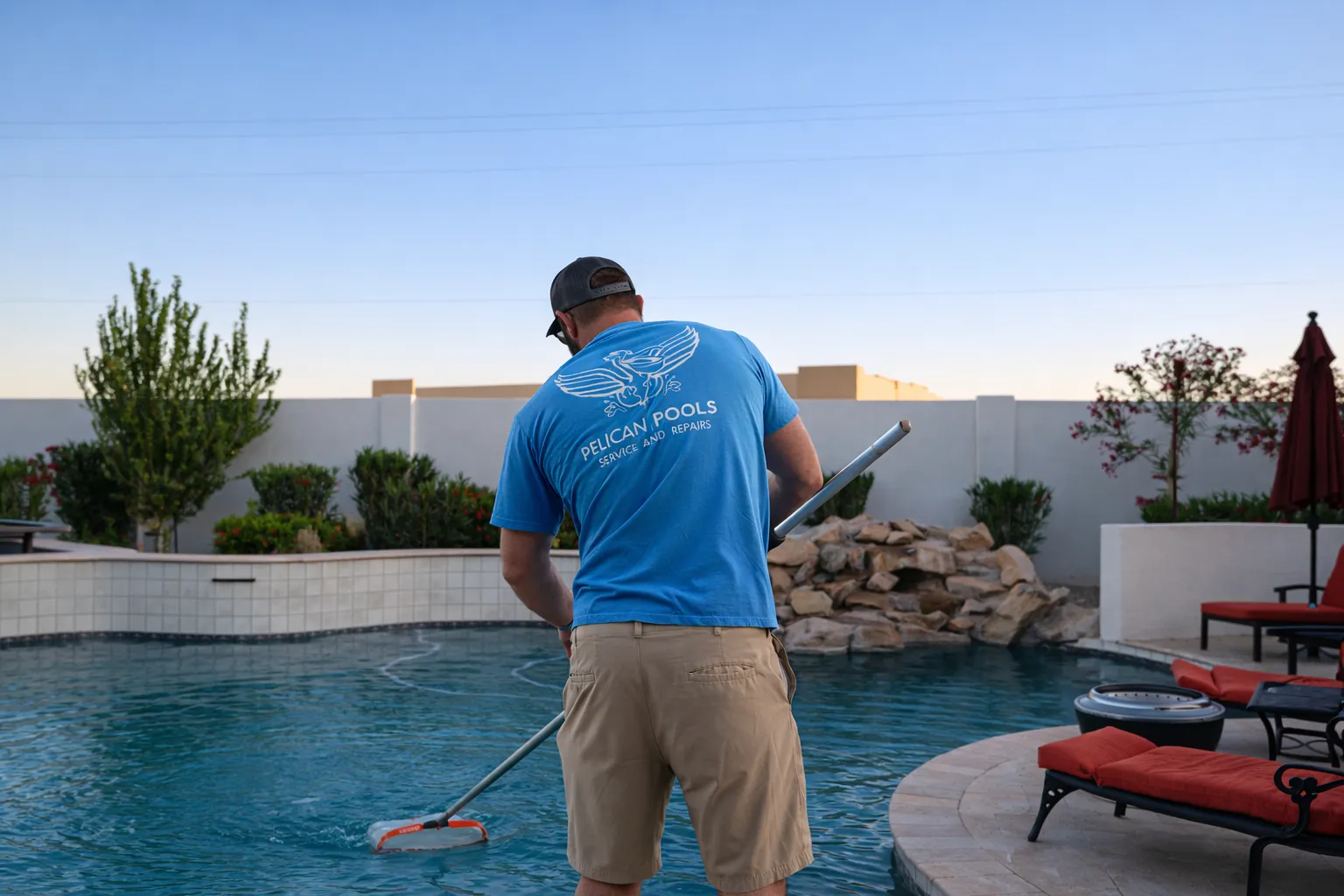
Summer-Proof Your Gilbert Pool Before Extreme Heat Arrives
As temperatures in Phoenix, Arizona start pushing past 100°F, your pool goes from a weekend luxury to something you rely on almost daily. The problem is, Arizona heat does not just affect swimmers. It puts real stress on your pool’s water chemistry, equipment, and overall performance.
Getting ahead of those issues in May makes a big difference. A little preparation now can help prevent algae blooms, equipment failures, cloudy water, and frustrating mid-summer repairs.
What Happens to Pools in Extreme Heat?
In Gilbert and surrounding areas, heat changes how your pool behaves. Water evaporates faster, chlorine burns off more quickly, and equipment runs longer just to keep up.
One of the biggest changes pool owners notice during summer is how quickly conditions shift. Water that looked clean one week can turn cloudy or unbalanced within days if chemistry and circulation are not maintained consistently.
Your May Pool Prep Checklist
A structured approach in May helps prevent the most common summer pool issues. Focus on these key areas before peak heat arrives.
Weekly Maintenance
Skim debris regularly, test water chemistry, keep pH and chlorine balanced, and check equipment for early signs of wear or reduced performance.
Equipment Checks
Inspect your pump, filter, heater, and seals before temperatures peak. Small performance issues in May often become larger failures during the hottest months.
Water Quality Management
Monitor evaporation, chlorine levels, alkalinity, calcium hardness, and algae risk. Hot weather makes water balance harder to maintain without regular testing.
Safety Measures
Check safety equipment, review pool rules, and make sure gates, surfaces, and pool access areas are ready for frequent summer use.
The Chemistry and Water Management Challenge
Maintaining proper water chemistry becomes significantly more challenging during summer. Higher temperatures, increased evaporation, and heavier pool use all affect how quickly chemical levels change.
Without consistent testing and adjustment, small imbalances can lead to cloudy water, algae growth, and unnecessary strain on pool equipment.
Equipment and Filtration Demands
Your pool’s filtration system is critical during the hottest months. A well-maintained filter system prevents debris buildup, supports clean water circulation, and helps avoid unnecessary stress on expensive pool equipment.
| Equipment Type | Maintenance Frequency | Key Actions |
|---|---|---|
| Pool Pump | Weekly | Clean debris, check seals, and confirm proper operation |
| Filter | Monthly | Backwash, rinse, clean, or replace as needed |
| Heater | Bi-Annually | Inspect for leaks, corrosion, and operation issues |
The Value of Professional Weekly Service
Engaging a professional service like Pelican Pools can significantly enhance your pool maintenance routine. Their expertise helps ensure water chemistry, cleaning, equipment inspection, and preventative care are handled consistently.
Regular service also helps catch changes in water balance or equipment performance early, before they turn into larger problems.
Contact Pelican Pools
For expert assistance and dependable weekly pool maintenance, contact Pelican Pools to schedule professional service before the Arizona summer heat peaks.
Schedule Pool ServiceFrequently Asked Questions
How often should a pool be serviced in Arizona during summer?
Most pools should be serviced weekly during Arizona summers because heat, evaporation, debris, and chlorine loss can quickly affect water quality.
Why does my pool get cloudy so quickly in hot weather?
Pools become cloudy quickly in hot weather due to rapid chemical imbalance and increased demand on filtration systems. High temperatures cause chlorine to dissipate faster, allowing contaminants and algae to develop if not corrected promptly.
Is weekly pool service really necessary for high-end pools?
Yes. High-end pools often include more advanced equipment, finishes, and water features that benefit from consistent weekly care and inspection.
What temperature is too hot for proper pool chemistry balance?
Once temperatures regularly exceed 100°F, pool chemistry becomes harder to maintain because chlorine dissipates faster and evaporation increases.
How can I prevent algae growth during Arizona summers?
Maintain proper sanitizer levels, brush surfaces regularly, run filtration consistently, and schedule routine service to catch water balance issues early.
How long should I run my pool pump in extreme heat?
Many pools need longer pump run times during extreme heat, but the right schedule depends on pool size, usage, equipment, and water condition.
What are signs my pool equipment is struggling in the heat?
Warning signs include cloudy water, weak circulation, unusual pump noises, air bubbles, leaks, higher pressure readings, or equipment running longer than normal.
Does evaporation affect pool chemistry in Arizona?
Yes. Evaporation concentrates minerals and chemicals in the remaining water, which can affect calcium hardness, alkalinity, and overall balance.
Should I upgrade my pool equipment for Arizona summers?
If your equipment is older, inefficient, noisy, or struggling to keep water clear, an upgrade may help improve performance during peak summer conditions.
What is the benefit of hiring professional pool service vs DIY?
Professional service helps maintain consistent water chemistry, catch equipment issues early, reduce algae risk, and save time during the busiest swimming months.
